Our Purpose
Ahmed pointed to the child next to him with his callous hands. He was eight years of age, hyperactive and unruly. In these moments, he was also an example of how to live.
All the children in Mansheyat Nasr have experienced poverty. If they are not poor themselves, they live surrounded by it. Ahmed was one of those who were worse off. His mother had left the family, and his father had severe mental illness.
The only people who cared for him were his uncles. Although care is not the most ideal word. They put him to work sorting garbage and gave him a place to stay. The summer camp was his only reprieve. When he was there, he was not at work, and he could keep his clothes clean. That made him happy.
Ahmed knew poverty.
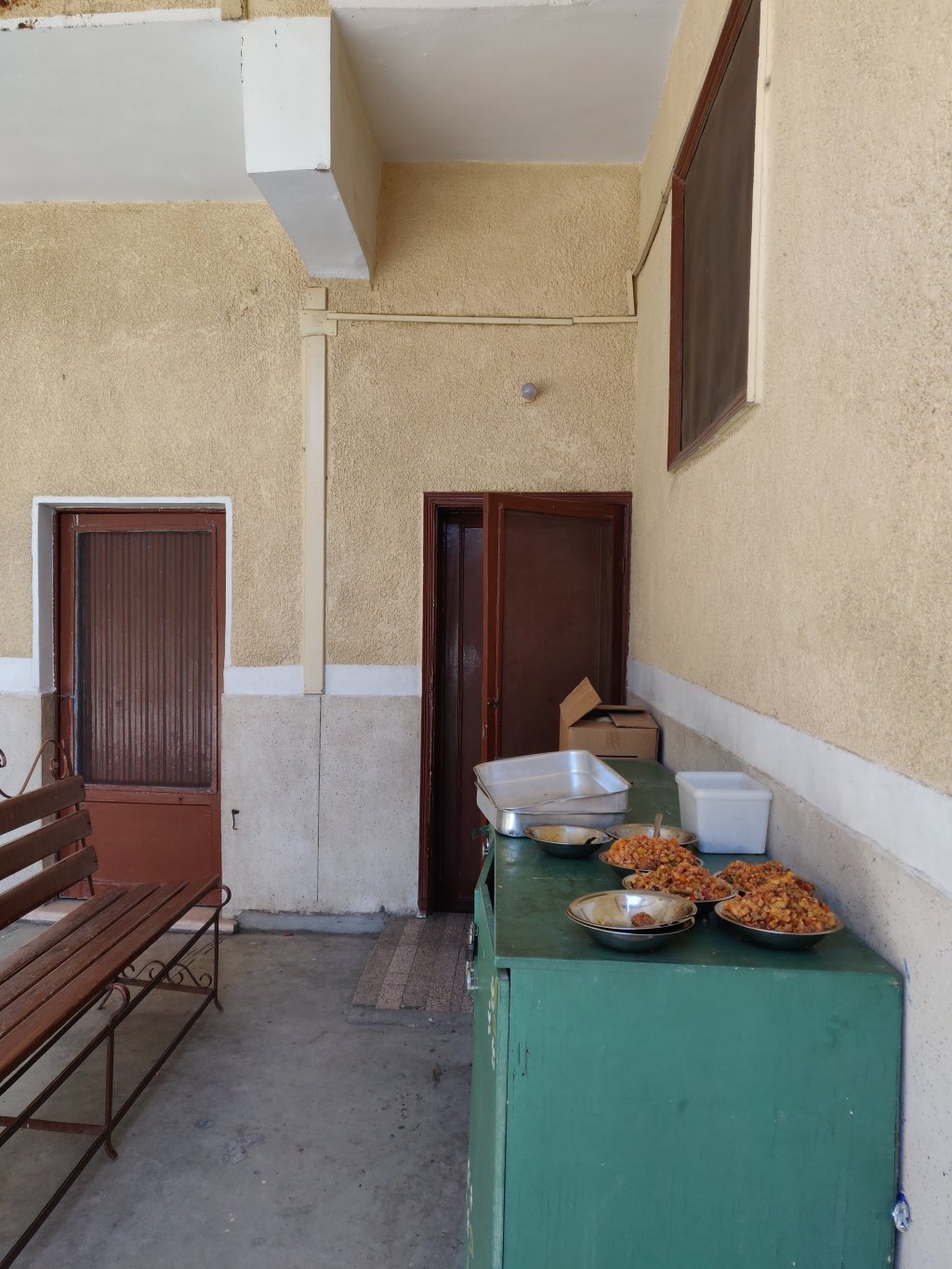
Despite his background, he cared for those around him. Today, he pointed out those who had not yet received food. The day before, he passed on his own plate to someone behind him. He was hungry, but willing to share.
Like any other child, there were moments when he was frustratingly disobedient. Yet that only made his actions more precious. He was not a goodie goodie, yearning to appease. He was genuinely caring.
Every person has a different life. Noone chooses the circumstances in which they will be born. When you are young, you have little idea of what and what not to do. You are either taught by those around you, or by life itself.
The experiences we have had influence our perspective. A child that has been burnt often remains afraid of fire. However, this knowledge can mislead us into focusing on nature vs nurture. Otherwise it can make us consider many things as set in stone.
Yet, our experiences, the life we have had so far, do not need to make up who we are. Who we are is a choice. It is a choice we have regardless of what we have been through; How we live out the experiences of life.
Then, focusing on what we can control, we could search for what our purpose is.
Many of us have a particular idea of what this purpose may be. We might tie our purpose with what we do; our work, a vocation, perfecting a talent or achieving a unique goal. We could centre it on our friends and family, on how helpful we can be.
In Egypt, I got to witness the massive Pyramids built as tombs for the Pharaohs. When I stood at the base of the great Pyramid, I was impressed at how much we can strive to be remembered.
That too; leaving our mark on the world, could be something we see as a purpose.
Yet the pyramids, in their grandeur, contrasted so heavily with what I came to value. Ahmed’s smile, and that of the other children, the generosity of the Missionaries of Charity, the laughter of the community of volunteers. These were much more precious than the greatest of pyramids.
In searching for our purpose, are we trying to build pyramids, or create joy?
— — —
Spend some time contemplating these questions. First, read the question and consider the first thoughts that pop into your head. After you have considered these thoughts, go back to the questions and delve deeper into them. Do not be afraid to challenge those responses we have grown accustomed to telling ourselves.
As time passes, we change. So too do our internal selves change. However, the knowledge we have of ourselves might lag behind. That is why it is important to ask questions you might already have a response to. Especially if the response has been the same for a long time, or is automatic.
Questions:
What are the things that I give importance to in my life?
What do I view as my purpose?
What makes me joyful?
While reality is more complex than that, a simple way of understanding purpose is through love. By love I do not mean that love you feel towards someone. I mean the way we act towards those around us. The way we live, the choices we make.
 Reflections
Leave a comment